Nyfronix Blog
Budgeting
34 articles about budgeting, written by the teams building our apps.

What Is Purchasing Power? How Inflation Erodes Your Money
Purchasing power is what your money can actually buy. Here's how inflation erodes it, real vs nominal value, and how to protect your buying power.

What Is a Sinking Fund? How to Set One Up (With Examples)
A sinking fund is money saved gradually for a specific planned expense. Here's how to set one up in 5 steps, with examples.

Receipt Scanning vs Manual Entry: Which Saves More Money?
Receipt scanning saves time; manual entry saves money by building spending awareness. Here's how to pick, plus a hybrid setup that uses both.

How to Prepare Financially for a Recession: A Guide
A recession is two straight quarters of falling GDP. Prepare by building a 3-6 month emergency fund, cutting extras, and diversifying income.

How Much Does an Expense Tracking App Cost? A 2026 Guide
Expense tracking apps cost from free to several dollars a month, with basics around $2.99. Here are the tiers, hidden costs, and how to choose.
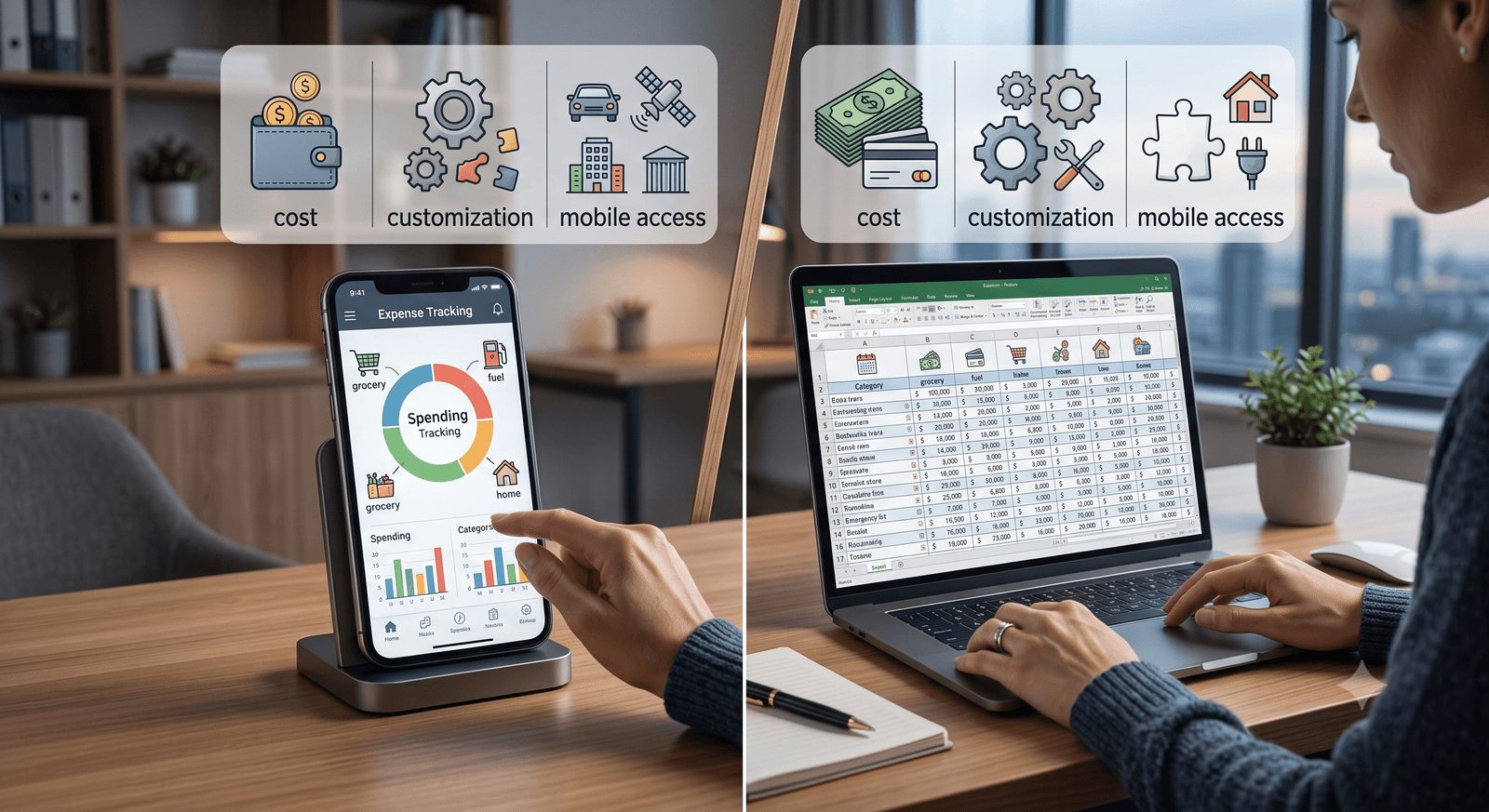
Expense Tracker vs Spreadsheet: Which Should You Use?
Expense tracker apps set up in minutes and automate tracking; spreadsheets are free and customizable but need upkeep. Here's how to choose.

Expense Tracker That Syncs With Your Bank: Do You Need One?
Bank-sync expense trackers trade privacy for convenience. Here's who benefits, the data risks, and manual alternatives that fit privacy-first users.

Expense Tracker App Features: What a Good One Includes
A good expense tracker app needs categorization, budget limits, recurring expense visibility, and simple entry, with automation kept optional.

Emergency Fund: How Much Should You Save? (With Examples)
An emergency fund covers unexpected expenses. Save 3 to 6 months of costs, adjusted for income and dependents, and keep it liquid.

Can an Expense Tracker Help You Save Money Each Month?
An expense tracker saves money by making spending visible, not by saving for you. Here's how that awareness turns into real monthly cuts.
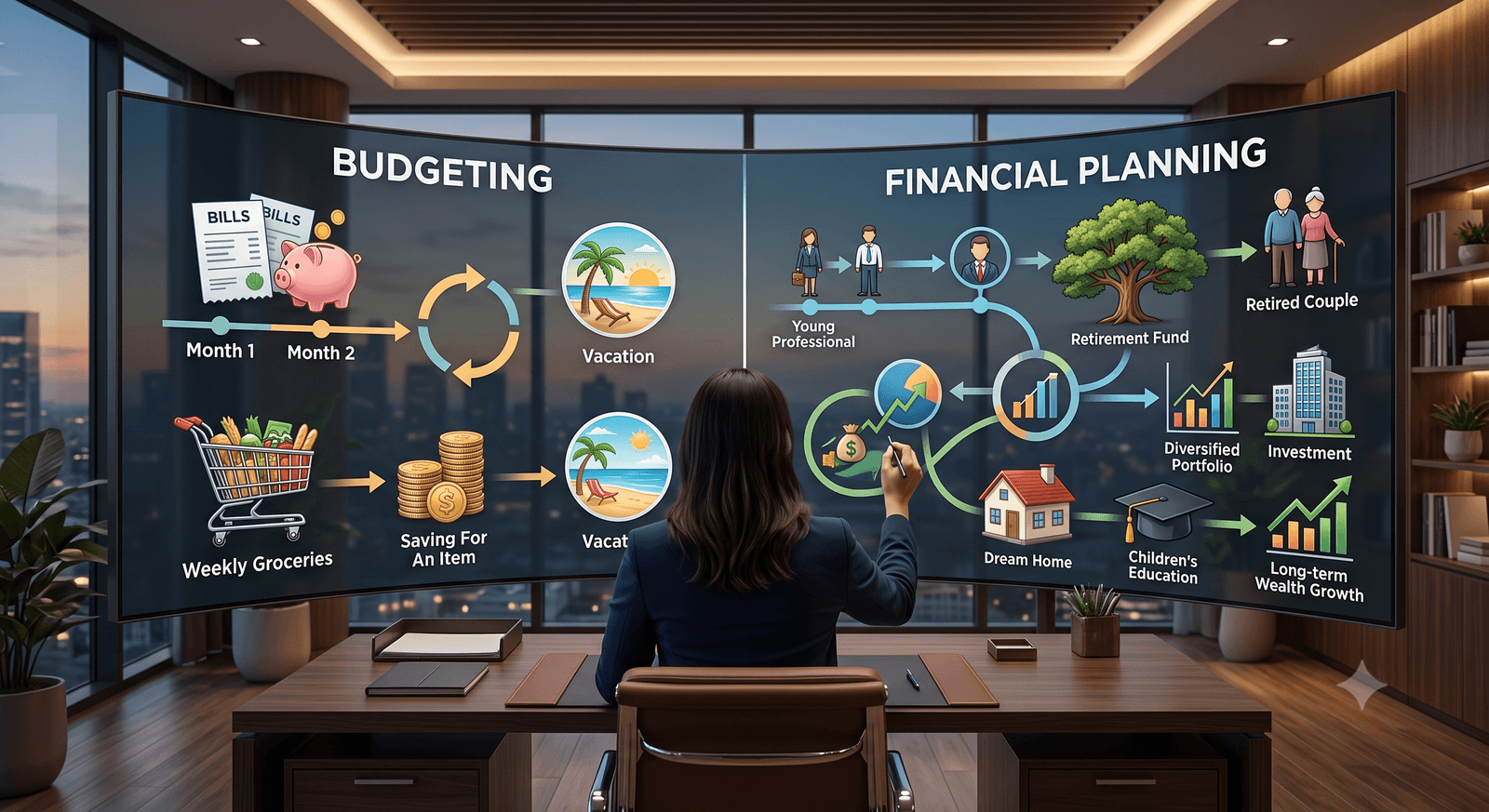
Budget vs Financial Plan: What's the Difference?
A budget controls short-term monthly spending; a financial plan is a long-term strategy for your goals. Here's how they differ and work together.

What Is the Debt Snowball Method? A Step-by-Step Guide
The debt snowball method pays off your smallest debt first, then rolls that payment into the next. Here's how it works and who it suits.

What Is the Debt Avalanche Method? A Guide to Paying Less Interest
The debt avalanche method pays off your highest-interest debt first to minimize total interest. Here's how it works step by step and who it suits.

What Is Inflation and How Does It Affect Your Wallet?
Inflation is the rise in prices that shrinks your money's buying power. Here's how it hits your budget, who wins and loses, and how to fight back.

What Is Manual Expense Tracking? A Guide to Budgeting by Hand
Manual expense tracking means recording every expense by hand to monitor spending. Here's how it works, who it suits, and how to start in 3 steps.

What Is Intentional Spending? A Guide to Value-Based Budgeting
Intentional spending aligns your money with your personal values instead of just cutting costs. Here's how it works and how to start.

What Is Impulse Spending? 4 Proven Ways to Stop It
Impulse spending is unplanned buying driven by emotion. Stop it by naming your triggers, using the 24-hour rule, tracking by hand, and adding friction.

What Is a No-Spend Challenge? How It Works and How to Start
A no-spend challenge means pausing all non-essential spending for a set period. Here's how to plan it, avoid pitfalls, and keep the savings after.

Mindful Spending vs Mindless Spending: What's the Difference?
Mindful spending is intentional and aligned with your goals; mindless spending is impulsive and unplanned. Here's how to tell them apart and switch.

Zero-Based Budgeting for Beginners: A Step-by-Step Guide
Zero-based budgeting assigns every dollar to an expense, a savings goal, or a debt payment until your budget hits zero. Here's the 5-step process.
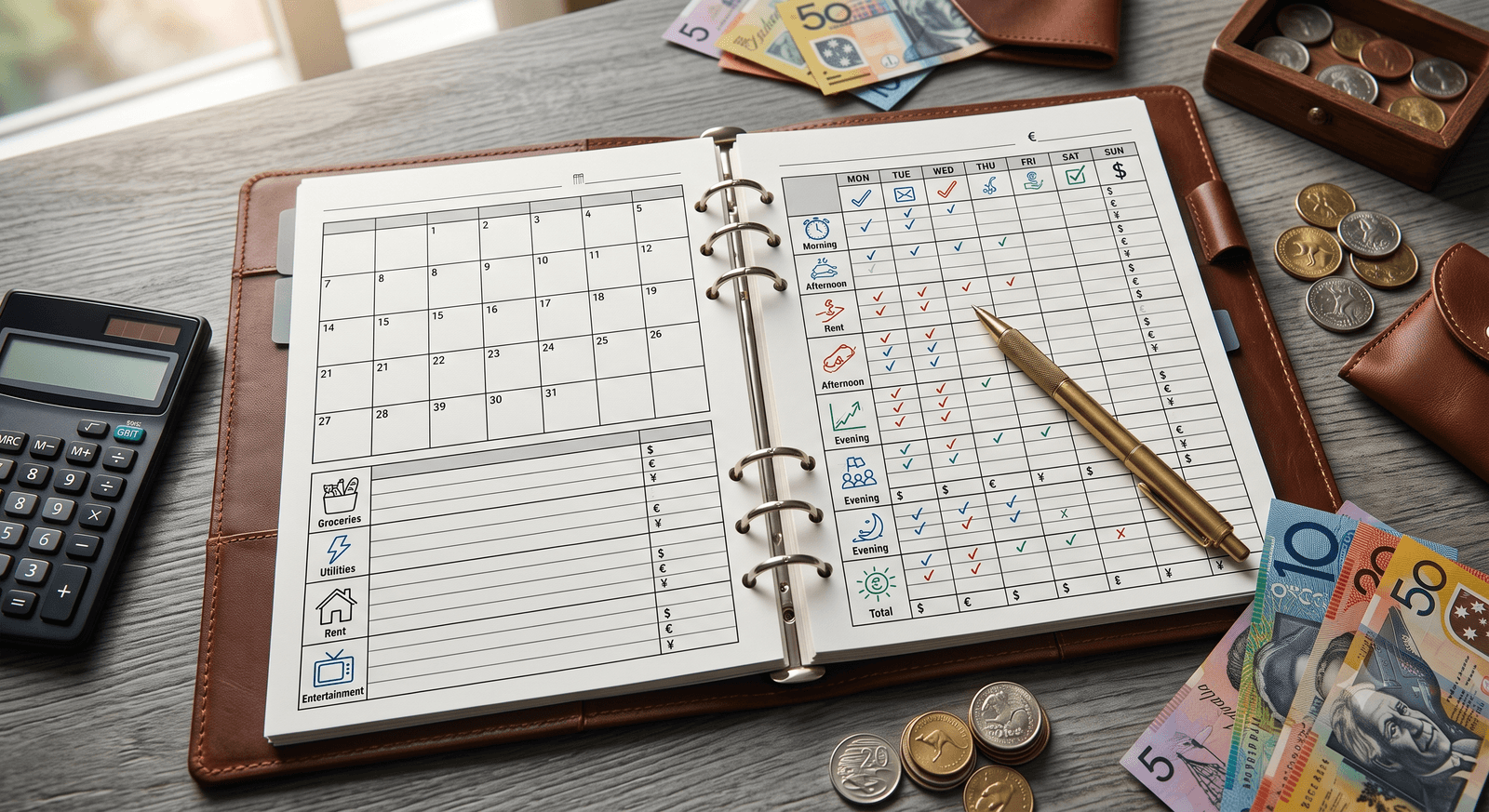
Weekly vs Monthly Budgeting: Which One Works Better?
Weekly budgeting suits irregular income with tighter control; monthly suits salaried pay with less upkeep. Trial both to find your fit.

How to Recession-Proof Your Budget: A Practical Guide
Recession-proof your budget with a bare-bones survival budget, a 3-6 month emergency fund, and strategic cuts to discretionary spending.

How to Pay Off Debt When Interest Rates Are High
Pay off debt when rates are high using the avalanche or snowball method, refinance only if it lowers total cost, and track payments by hand.

How Inflation Affects Your Daily Budget (And How to Fix It)
Inflation shrinks buying power, so the same dollars buy less. Track spending, cut costs, and fund needs first to adjust your budget.

Forgotten Subscriptions: How to Stop the Overspending
Forgotten subscriptions can cost you $200+ a year. A manual audit of your statements is the fastest way to find and cancel them.

How to Build an Emergency Fund When Prices Keep Rising
Build an emergency fund during inflation by setting an inflation-adjusted target, automating small transfers, and tracking spending to redirect.

The 50/30/20 Budget Rule Explained: Needs, Wants, Savings
The 50/30/20 rule splits after-tax income into 50% needs, 30% wants, and 20% savings. Here's how to apply and adjust it.

The Psychology of Spending: How Logging Expenses by Hand Changes Your Financial Habits
Handwriting expenses taps into the 'pain of paying,' boosting spending awareness through loss aversion, present bias, and mood tracking.

Minimalist Personal Finance Tools: Fixing Spreadsheet Burnout
Spreadsheet burnout comes from setup fatigue and missed updates. Minimalist personal finance tools fix it by tracking only what matters.

The Envelope Method Reimagined for the Smartphone Era
Digital envelope budgeting works if you log every expense by hand instead of syncing your bank. Here's how to set it up on your phone.

Automated vs. Manual Budgeting: Which Gives More Financial Control?
Automated budgeting saves time, manual budgeting builds spending awareness, and a hybrid approach offers the best financial control for most people.

How to Adjust Your Budget for Inflation and Rising Interest Rates
Adjust your budget for inflation by prioritizing groceries, utilities, and debt, then reallocating funds and reviewing costs weekly instead of monthly.

Why Manual Expense Tracking Is the Secret to Actually Saving Money
Manual expense tracking creates awareness and cuts impulse purchases through cognitive friction and active recall. Here's why it works, and how to start.

The 50/30/20 Budget Rule: How to Split Your Income (With Examples)
The 50/30/20 rule splits your after-tax income into 50% needs, 30% wants, and 20% savings. Here's how to set it up, with real examples.