Nyfronix Blog
Guides from the teams behind our apps.
Practical, no-hype articles written by the people building each product.
Featured

Editor’s picks
All articles

Receipt Scanning vs Manual Entry: Which Saves More Money?
Receipt scanning saves time; manual entry saves money by building spending awareness. Here's how to pick, plus a hybrid setup that uses both.

How to Prepare Financially for a Recession: A Guide
A recession is two straight quarters of falling GDP. Prepare by building a 3-6 month emergency fund, cutting extras, and diversifying income.

How Much Does an Expense Tracking App Cost? A 2026 Guide
Expense tracking apps cost from free to several dollars a month, with basics around $2.99. Here are the tiers, hidden costs, and how to choose.
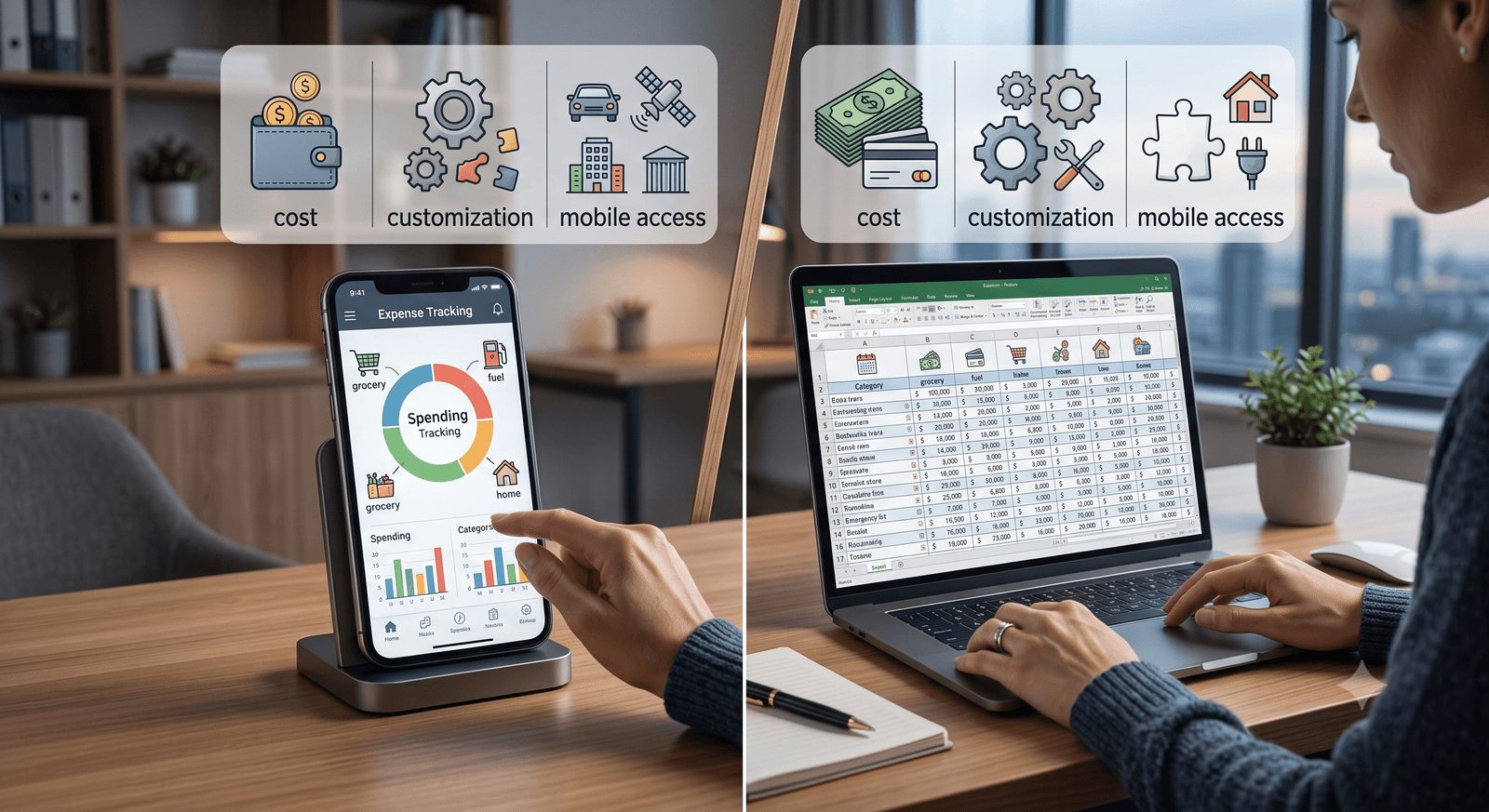
Expense Tracker vs Spreadsheet: Which Should You Use?
Expense tracker apps set up in minutes and automate tracking; spreadsheets are free and customizable but need upkeep. Here's how to choose.

Expense Tracker That Syncs With Your Bank: Do You Need One?
Bank-sync expense trackers trade privacy for convenience. Here's who benefits, the data risks, and manual alternatives that fit privacy-first users.

Expense Tracker App Features: What a Good One Includes
A good expense tracker app needs categorization, budget limits, recurring expense visibility, and simple entry, with automation kept optional.

Emergency Fund: How Much Should You Save? (With Examples)
An emergency fund covers unexpected expenses. Save 3 to 6 months of costs, adjusted for income and dependents, and keep it liquid.

Can an Expense Tracker Help You Save Money Each Month?
An expense tracker saves money by making spending visible, not by saving for you. Here's how that awareness turns into real monthly cuts.

Budget vs Financial Plan: What's the Difference?
A budget controls short-term monthly spending; a financial plan is a long-term strategy for your goals. Here's how they differ and work together.